
If your child has recently been diagnosed with Attention-Deficit/Hyperactivity Disorder (ADHD), you may wonder whether things will become more difficult as they grow older. This is a common concern for parents who notice changes in behaviours, mood swings, easy distraction or academic challenges as their children grow. It is completely natural to feel this way because you worry that the condition may spiral out of control as time goes on.
The good news is that ADHD doesn’t usually “get worse” simply because a child grows older. It is not a degenerative disease that progressively damages the brain over time. However, the way it shows up in your child’s life will change. New environments bring heavier demands and challenges, and this can make ADHD symptoms seem more intense. Understanding what to expect at every developmental stage can help you feel less anxious, more in control and fully equipped to support them through every stage of development.
The Short Answer: Can ADHD Get Worse With Age?
The short answer is no, ADHD itself does not progressively worsen or become a more severe neurological condition as your child grows. According to a research published by the American Journal of Psychiatry 90% of ADHD symptoms persist into adulthood but the symptoms remain relatively stable.

However, while the condition remains stable the way it presents in daily life can be different from time to time.
Key Takeaway for Parents: ADHD doesn’t get worse over time, but life gets more complicated. When the environment demands more organisation, focus, and independence than your child’s developing brain can easily manage, their ADHD symptoms can appear to intensify. Providing tailored support at each developmental milestone is the key to helping them thrive.
How ADHD Changes as Children Grow
To understand how to help your child, it is best to view ADHD as a journey with different developmental stages. The symptoms you manage during the early years will look different from the ones you help them through during their teenage years.
Early Childhood (Preschool)
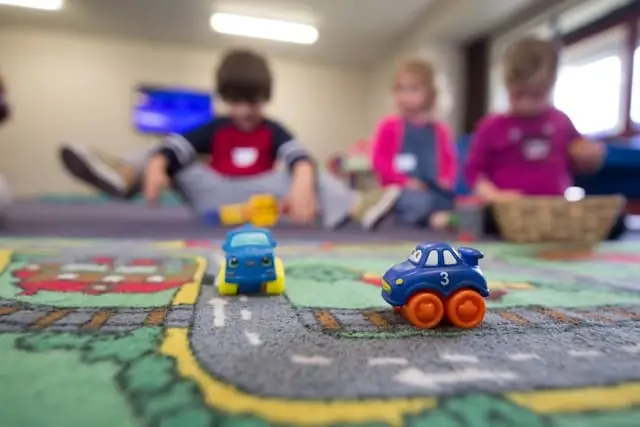
In early years, ADHD is almost entirely present in their physical energy. At this stage, the brain’s frontal lobe is still developing for children, but for a child with ADHD, it lags slightly behind, which makes them hyperactive and highly impulsive.
You might notice:
- Constant Movement: Your child might feel what is often described as being “driven by a motor,” often fearless, constantly running, jumping excessively, struggling to remain seated even when they are eating, e.t.c.
- Difficulty Following Instructions: Asking them to handle simple tasks like putting on their shoes can turn into a full-blown multi-step struggle because their brain drops the instruction and shifts their attention almost immediately.
- Impulsive Behaviour: They often act before they think. They might just run into the road or engage in dangerous physical activities without a second thought for safety.
- Short Attention Span: Every preschooler has a short attention span. However, in the case of a child with ADHD, they may abandon an activity they are engaged in almost as soon as it starts and move on to many other activities in a very short time frame.
Elementary School Years
When a child enters elementary school, they are met with a structure different from what they’ve been accustomed to in preschool. Suddenly, they are required to sit for long hours, follow a set schedule and complete planned tasks. With the changes at this stage, ADHD symptoms become a major barrier to daily living. Parents and teachers begin to notice:
- Homework Struggles: Getting their homework done can turn into a wrestle between you and them. A simple scribbling or colouring worksheet can take them hours to finish due to their inability to stay focused on one task at a time.
- Organisation Problems: They are unable to keep their surroundings and personal effects organised. Sometimes, they are unable to keep track of where they dropped their toys or school materials.
- Classroom Distractions: Your child’s attention can be pulled away from the teacher by a simple tap on the windowpane or a bird outside the classroom.
- Making Friends: Because they are unable to pay attention to social cues and often unintentionally interrupt others, they may struggle with peer relationships.
Teen Years
Adolescence is a period of physical and psychological transition from childhood to adulthood. This period is when most parents get worried the most because they fear that their child’s ADHD might worsen as they grow older and go through the puberty phase.
- Greater Academic Expectations: As preteens and teenagers who are now in middle school/high school, they now have to move between different classes and teachers, handle class projects and study for major exams. This development can place a big burden on how they function at large.
- Emotional Regulations: The combination of hormonal shifts and ADHD isn’t so pleasant. This can lead to frustration, mood swings and crashouts.
- Independence Vs Executive Dysfunction: The teen years are often accompanied by their yearning for autonomy, but in the case of ADHD, their brains may struggle with self-monitoring, which leads to poor choices and forgotten chores.
- Safety and Risk-taking: Impulsive moves are heightened during teenage years, with a lot more risks attached. It could be in the form of reckless driving, sampling substances or participating in unsafe behaviours online, which in this case is as a result of the natural biological need for dopamine.
- Screen Time and Peer Pressure: Still speaking on dopamine, the ADHD brain calls for it often and this makes it difficult for them to take time off the screen once they are locked in. Also, because they sometimes try to fit in with other kids, they are prone to being easily influenced by negative peer pressure.
Adulthood
While the purpose of this article focuses on childhood, looking ahead into what their future could be like can provide helpful context for you. As individuals with ADHD grow into adulthood, their symptoms continue to adapt. Their hyperactivity decreases significantly in most cases. At this stage, visible fidgeting could be replaced with an internal feeling of anxiety and restlessness. However, the likes of short attention spans, challenges with inattentiveness, career organisation and financial management often remain. Children who receive support usually grow to become adults that learn to build their lives around their strengths and find career opportunities where they thrive.
Why ADHD Can Seem Worse Over Time
After all that has been said so far, you may wonder, ‘If ADHD doesn’t actually worsen overtime, why does it often feel that way?’ The thing is, several developmental and environmental factors collide as your child grows, which makes your child’s symptoms suddenly seem more severe.
- Schoolwork Becomes Harder: In elementary school, teachers guide the learners through hands-on and highly visual learning processes. But by the time they get into middle/high school, assignments and projects become more about mostly reading and writing. The sheer volume of this workload and the mental strength required to keep up can cause exhaustion for a child with ADHD, and this in turn leads to burnout or a drop in performance.
- Expectations Increase: When your child is younger, you put their backpack in order, pack their lunch and remind them to brush their teeth. When they start approaching their teenage years, the societal norm and parent expectation is for them to handle these things on their own, and when they are unable to meet these expectations, it can look like their condition is worsening or they are lazy, when in reality it is their ADHD brain just trying to keep up.
- Puberty and Hormonal Changes: Puberty invites a lot of chemical shifts in the human body. For girls, fluctuation in oestrogen can directly impact dopamine levels in the brain, which often makes ADHD symptoms feel more severe during certain times of the month. For boys, surges in testosterone can amplify irritability, restlessness, and risk-taking behaviours. These hormonal shifts interact directly with the neurological pathways of ADHD, compounding emotional and behavioural challenges.
- Mental Health Challenges: With ADHD, the constant struggle to keep up can be exhausting, and over time it can take a toll on a child’s self-esteem. As they grow, many children with ADHD develop co-occurring conditions like anxiety and depression. When a child is faced with anxiety or depression, their ability to focus may shrink, giving the illusion of a worsening condition.
- Lack of Treatment or Support: If a child’s ADHD goes unrecognised or unmanaged, or if the previous strategies put in place to help them aren’t updated, they can easily fall behind academically and socially. The lack of the necessary support they need can bring about low self-confidence and misdemeanours that can look like an escalation of ADHD.
Signs Your Child’s ADHD May Need Reassessment
As your child transitions through major life milestones, their treatment plan, whether it involves behavioural therapy, school accommodations, or medication, may need an upgrade. This doesn’t mean you have failed as a parent. Here is a practical checklist of signs that your child’s current support system needs to be re-evaluated by a healthcare professional:
- A sudden, unexplained drop in school grades or a swift increase in missed assignments.
- Increasing emotional outbursts, intense irritability, or crying frequently over minor setbacks.
- Worsening impulsive behaviours that put them at risk physically, health-wise or in the midst of others.
- Frequent disciplinary issues at school or a sudden change in their teacher’s feedback.
- Difficulty making or keeping friends, or withdrawing from social activities entirely.
- Their current ADHD medication no longer seems effective, wears off too early in the day, or causes severe side effects like extreme mood crashes.
- Chronic sleep problems, including extreme difficulty falling asleep or waking up.
Can ADHD Symptoms Improve With Age?
Yes, absolutely. The tunnel is lit up from the very beginning and there is immense hope for your child’s future. As the brain matures, particularly the prefrontal cortex, which handles decision-making and self-control(amongst others) continues developing until around the mid 20s, many children experience significant improvements.
Hyperactivity is usually the first symptom to calm down. The child who couldn’t sit still in a chair at age six can often sit through a lecture by age sixteen, even if they may be quietly fidgeting with a pen under the desk. Impulse control and emotional maturity also steady over time as the brain develops better ways for self-regulation.
However, it is important to know that inattentiveness, disorganisation, and executive functioning challenges are the symptoms most likely to persist. Your child may always be someone who loses their personal effects or needs a digital planner to remember appointments, but these are manageable traits, not life-altering ones.
What Makes ADHD Symptoms Worse?
While age itself doesn’t worsen ADHD, several daily environmental factors can cause the symptoms to flare-up temporarily or intensify them. Identifying and managing these triggers can bring massive relief to your child’s daily life.
- Poor Sleep: A tired brain has almost zero executive function. Even a mild sleep deficit can make an ADHD child appear twice as hyperactive or distracted.
- Stress and Anxiety: When a child feels overwhelmed by school or social pressure, their brain enters a fight-or-flight state, making it nearly impossible to access whatever focus and patience they normally possess.
- Inconsistent Routines: When a child doesn’t know what to expect next, their brain spends anxious energy trying to predict the environment, leaving less energy for focus.
- Excessive Screen Time: Fixating on the screen for too long can intensify inattentiveness, hyperactivity and lack of sleep. Screen Time isn’t a problem, the duration is.
- Poor Diet: As with regular daily living and other conditions, a good diet plays a major role. Not adhering to the meal plans or suggestions given by your child’s paediatrician and/or dietician may result in deficiencies that may escalate their symptoms.
- Lack of Exercise: Without physical activities, individuals with ADHD become restless and more inattentive.
- Missed Medication: Missing or skipping ADHD medications without getting the order from a doctor can set off the symptoms at that moment, and focusing or carrying on with the day’s activities might be difficult.
- Family Conflict: Because children with ADHD are often more sensitive to emotional cues, constant family conflicts or frustration from the parents can affect their moods, behaviour and self-esteem and their ability to regulate their emotions.
How Parents Can Help at Every Age
You are your child’s ultimate advocate and safe space. While you cannot change the way their brain is wired, you can change how they experience the world by implementing consistent, loving strategies at home.
Create Predictable Routines
Create clear, visual routines for mornings, after hours, and bedtime. Use dry-erase boards, smartphone alarms, or picture charts for younger children. When an ADHD brain knows exactly what to expect next, it saves mental energy that would have been spent guessing or panicking.
Use Positive Reinforcement
Children with ADHD receive significantly more negative feedback, corrections, and reprimands than neurotypical children. Compensate for this by actively looking for the good. Praise their effort, their creativity, and their kindness. When they do manage to complete a chore or sit quietly, name the specific action: “I love how focused you were while putting your toys away.”
Break Tasks Into Smaller Steps
A command like “Clean your room” feels like an impossible mountain to a child with weak executive functioning. They don’t know where to start, so they don’t start at all. Break it down into manageable steps: “First, pick up all the clothes on the floor. When you’re done, let me know, and we will move to the books.”
Encourage Physical Activity
Think of exercise as a natural, short-term release of focus chemicals. Encourage your child to participate in activities that require both physical effort and complex coordination, such as martial arts, swimming, soccer, or gymnastics. This helps to stimulate the brain pathways that regulate attention and impulse control.
Work Closely With Teachers
Maintain open, collaborative communication with your child’s educators. Ensure that helpful classroom accommodations, such as a 504 Plan or an IEP (Individualised Education Program), are actively in place. These can include vital adjustments like preferential seating away from distractions, extended time on tests, or broken-down assignment formats.
Monitor Sleep Habits
Enforce a strict “no screens in the bedroom” rule at least one hour before lights out. Keep the bedroom cool and dark, and consider utilising a white noise machine or a weighted blanket if your child struggles with sensory regulation at night.
Follow the Treatment Plan
Ensure that you do not compromise on your child’s treatment plan. Only make adjustments as advised or instructed by your child’s paediatrician or therapist.
Additionally, as your child grows into their pre-teen and teenage years, include them in discussions about their treatment. Ask them how their medication makes them feel, what school strategies they find genuinely helpful, and where they feel they still need more support. Giving them a voice fosters self-advocacy skills they will rely on for the rest of their lives.
Teach Organisation Skills Early
Do not wait until they are teenagers before introducing planners and organisational tools to them. Start early and practise using them together. This would imprint a lifelong habit in their mind.
When Should Parents Talk to Their Child’s Doctor?
As a parent, you know your child better than anyone else. Trust your intuition. You should schedule a comprehensive conversation with your child’s paediatrician, psychiatrist, or therapist if you observe any of the following critical changes:
- Your child’s behavioural or emotional symptoms suddenly worsen, and your trusted home management strategies completely stop working.
- Their current medication appears to have lost its effectiveness entirely, or the side effects are causing significant distress, physical illness, or severe personality changes.
- Your child begins showing clear, persistent signs of intense anxiety or deep depression, such as making harsh self comments, expressing feelings of worthlessness, or withdrawing from activities they used to love.
- Their academic performance or school behaviour takes a sharp, downward turn despite having active school accommodations in place.
- Safety becomes an immediate concern, whether through dangerous risk-taking, physical aggression, or any expressions of self-harm.
Frequently Asked Questions
Will my child outgrow ADHD?
While some children experience such a significant reduction in symptoms that they no longer meet the diagnostic criteria as adults, most do not completely “outgrow” ADHD. Instead, they learn to deeply understand their brain, develop highly effective coping mechanisms, and choose careers and lifestyles that align well with their natural strengths.
Does untreated ADHD get worse?
While the biological condition stays the same, the consequences of leaving ADHD untreated can definitely pile up over time. Without proper support, a child may experience low self-esteem, chronic academic failure, fractured social relationships, and an increased risk of developing secondary mental health challenges like anxiety or depression.
Can ADHD get worse during puberty?
Yes, it can certainly feel that way. The massive influx of hormones during puberty directly interacts with neurotransmitters like dopamine and serotonin. These chemical shifts can increase emotional instability, irritability, and executive dysfunction, making previously manageable ADHD symptoms feel temporarily overwhelming.
Why does my child’s ADHD seem worse after starting middle school?
Middle school removes the protective, highly structured environment of a single elementary classroom. Pupils, now students, are suddenly expected to switch classrooms, manage multiple teachers’ expectations, track long-term deadlines, and navigate complex social systems. The sudden need for higher-level executive function skills often show the lapses in a child’s coping mechanisms.